

The short version
- Nvidia's board said on November 8 that it's starting an independent investigation, overseen by independent directors and outside counsel, after reports that CEO Jensen Huang was targeted by a foreign intelligence effort.
- The same day, Huang sent staff a message admitting he had been unfaithful to his wife, and said he backs the investigation.
- The spying part is still an allegation, based on reported US intelligence findings. China calls it a smear. No one has been charged.
- Nvidia stock fell 4.27% on November 9. Nothing reported so far touches GeForce RTX cards, drivers or prices.
What Nvidia actually said
Two posts went up on Nvidia's newsroom on Sunday, November 8.
The first was from the board of directors. It said a committee of independent directors, helped by outside independent counsel, will investigate in light of recent reporting. It didn't name the law firm. The board said it has "no reason to believe" national security or Nvidia's secrets were compromised, but that it will look at all available information. It also said it has confidence in Huang, and that he has committed to cooperating fully.
The second was Huang's own email to employees. He apologised to his family and to staff, admitted the affair, and said "There is no excuse for what I did." He said he had fallen short of what colleagues, the board, partners and shareholders expect, and asked for privacy for his family. He mentioned the national security concerns in news reports and said he supports the board's review. He did not say anything about the woman involved being a spy.
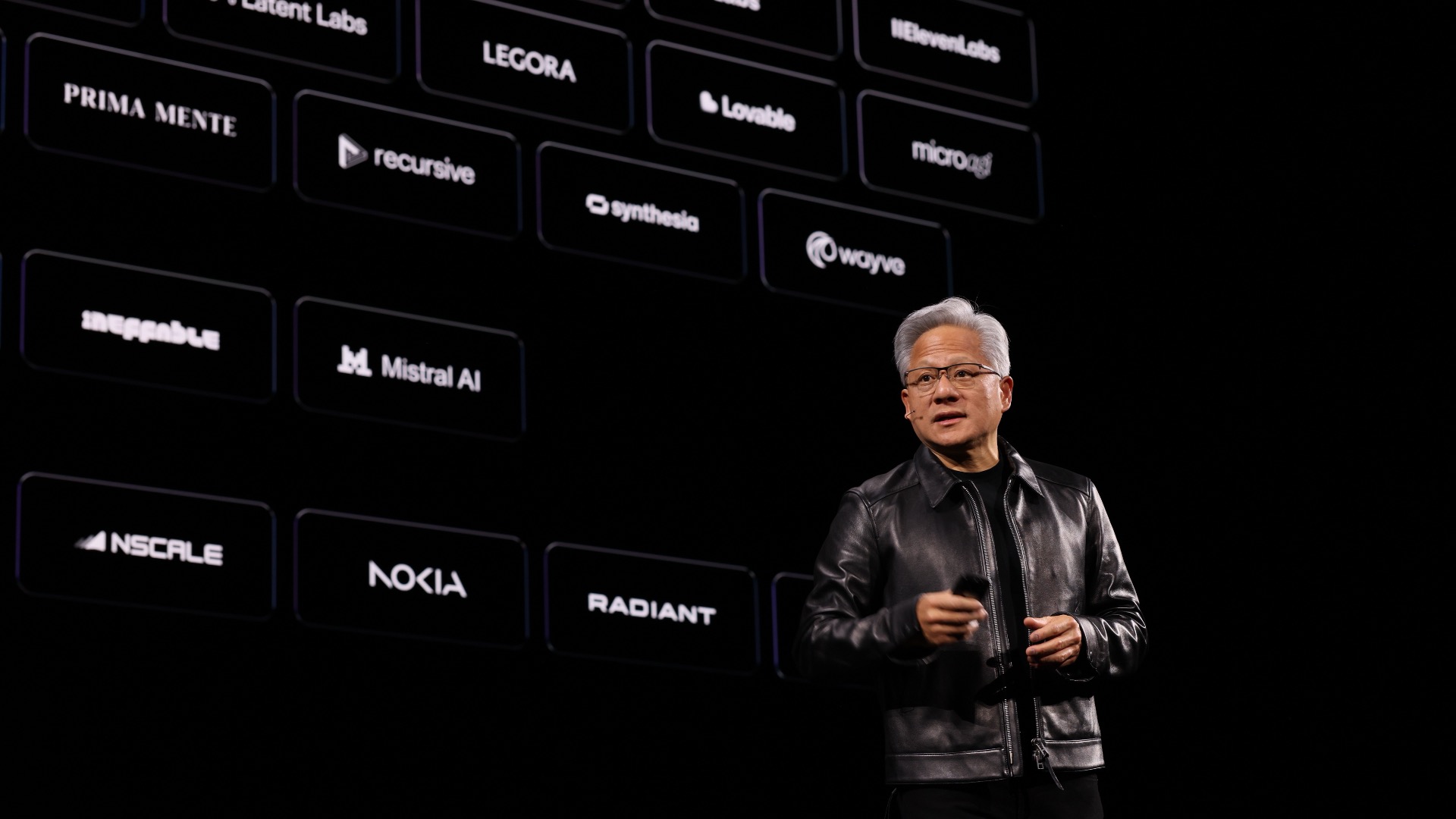
Image: Nvidia
What's alleged, and by whom
This is the part to read carefully, because none of it has been proven.
- The New York Times first reported on October 29, citing US intelligence sources, that US agencies had identified a Singapore-based businesswoman as a suspected Chinese intelligence asset who had built ties with Huang. She is an executive at a Singapore data-centre company that buys Nvidia hardware. We're not naming her, because she is a private individual and hasn't been charged with anything.
- At the time, Nvidia said Huang's interactions with her were "not unusual or unexpected".
- The Financial Times later reported on a memo written by US officials earlier this year. According to the FT, it says the relationship was romantic and that she had been recruited by China's Ministry of State Security, partly to gather information on Huang. The White House and CIA declined to comment.
China's Foreign Ministry has rejected the claims twice, on October 30 and again on November 9, calling them groundless and a smear against China.
The timeline
| Date | What happened |
|---|---|
| October 29 | New York Times reports the suspected intelligence link |
| October 30 | China's Foreign Ministry calls it "groundless speculation" |
| November 5 | Three House committee chairs ask Huang to a closed-door briefing on November 18, with a November 11 deadline to reply |
| Around November 6-7 | Financial Times reports the US officials' memo |
| November 8 | Nvidia's board announces the investigation; Huang's staff message goes public |
| November 9 | NVDA falls 4.27%; Senators Jim Banks and Elizabeth Warren issue a joint statement |
| November 11 | Deadline for Huang to respond to the House briefing request |
| November 18 | Proposed House briefing date |
The political fallout
Washington moved fast. The chairs of the House China, Foreign Affairs and Intelligence committees, John Moolenaar, Brian Mast and Rick Crawford, said the reports "raise significant national security concerns" and asked Huang for a private briefing.
On November 9, Republican Senator Jim Banks and Democratic Senator Elizabeth Warren issued a joint statement saying the news makes their worries about chip exports to China more urgent. They want tighter export rules written into this year's defence bill, the NDAA.
That's the real business risk. Nvidia's most advanced chips are already barred from China, and its newer approvals to sell some H200 data-centre chips there have been politically touchy all year. Nvidia's own guidance has assumed almost no China data-centre revenue. Any tightening would hit the AI side of the business, not graphics cards.
The stock reaction
Nvidia closed Monday, November 9 at $178.67, down 4.27%, after falling about 8% early in the session. That happened on a day when the wider market rallied, with the Nasdaq up about 2.7%.
AMD jumped around 12-13% the same day, but that was down to an analyst upgrade from Oppenheimer, not Nvidia's troubles.
Analysts are split. Some expect Huang to ride it out because he's so central to the company. Others doubt he can stay on as CEO. Nvidia reports its next quarterly results around mid-November, which is the next big moment for investors.
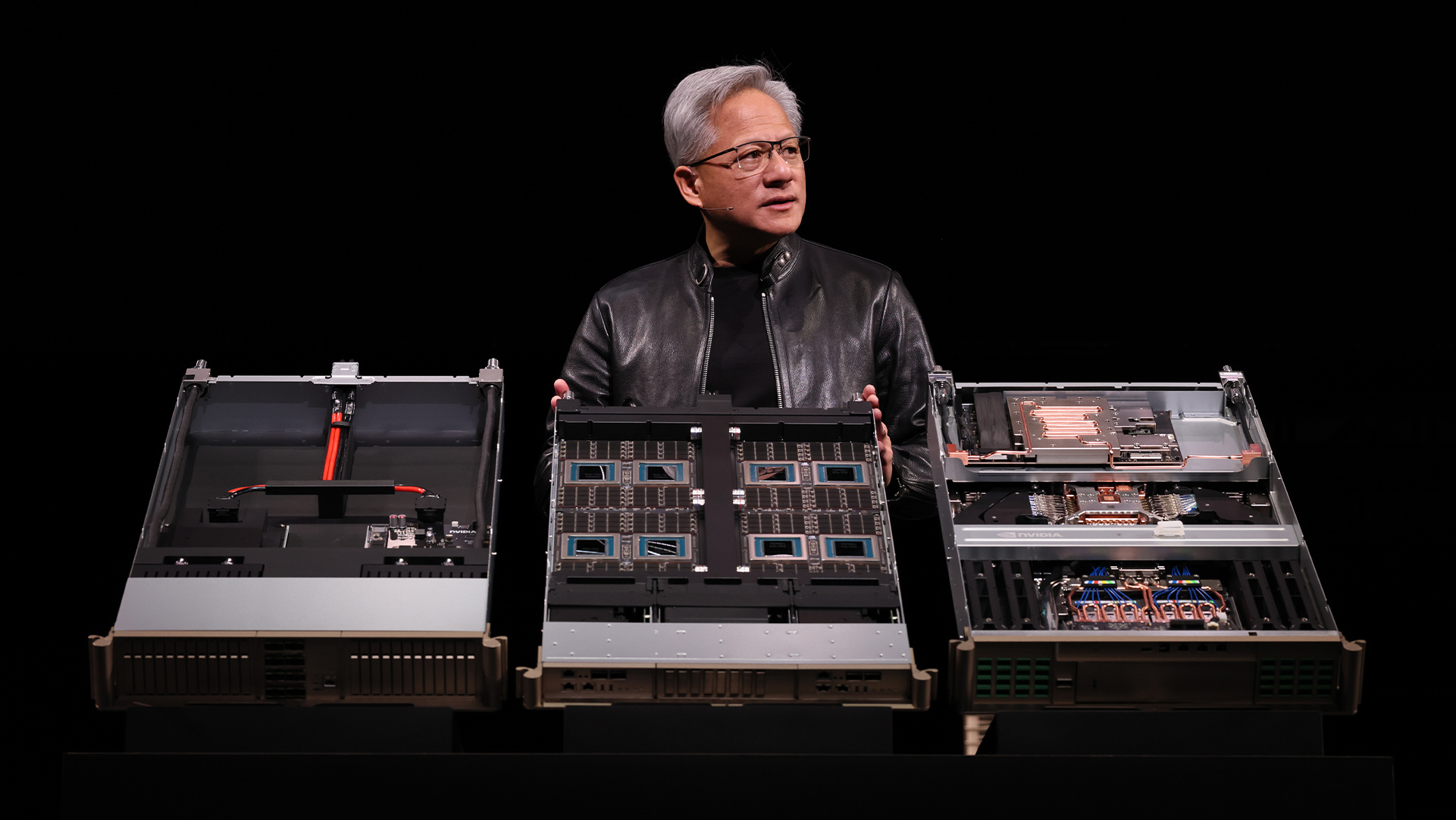
Image: Nvidia
Why this matters for a company built around one person
Huang co-founded Nvidia in 1993 and has run it for 33 years. Reports say around 60 people report directly to him, and the company has no chief operating officer and no named successor.
That's why a personal scandal is a company story. If the investigation found anything serious, there's no obvious second-in-command waiting to take over.
What it means for GeForce buyers
On paper, nothing changes yet. None of the reporting links the investigation to GeForce products, driver support or the RTX roadmap. Your RTX 50 card, DLSS updates and the Nvidia app aren't affected by a board inquiry.
What's worth keeping an eye on is the bigger picture. Graphics card prices are already high because memory is expensive and AI chips are taking priority. A long distraction at the top of the company won't help that, but there's no sign yet that it will change anything.
What to watch
Watch whether Huang accepts the House briefing by November 11, and what Nvidia says in its next earnings report. The board has promised updates "as appropriate", so the next official word will most likely come from Nvidia's newsroom.