

The short version
- Project IGI: I'm Going In came out on PC in December 2000, made by Norway's Innerloop Studios. Critics gave it a lukewarm 70 on Metacritic.
- It became a cult hit across India, Pakistan and Bangladesh, where it ran on modest PCs, spread from CD to CD and filled cyber cafes.
- IGI 2: Covert Strike (2003) scored lower, got banned in China, and Innerloop shut down in 2004.
- A prequel, IGI Origins, was announced in 2019. Its studio was closed in 2023, and the game has been stuck in limbo ever since.
A flight-sim studio makes a shooter
Innerloop Studios was founded in Oslo in 1996. Its first game was a flight simulator, Joint Strike Fighter (1997), and that turned out to matter. A flight-sim engine has to draw huge stretches of land at once, so when Innerloop built a shooter on the same tech, it could show wide outdoor bases that you could scout from a distance.
That shooter was Project IGI: I'm Going In, published by Eidos Interactive and released in North America on December 8, 2000. You play David Llewellyn Jones, a former British SAS soldier working for the Institute for Geotactical Intelligence, the "IGI" of the title. The plot sends him across Estonia after a stolen American W-88 nuclear warhead, through a rail yard, a former KGB training camp in a ruined castle and an old plutonium plant.
The game leaned hard on stealth. You'd study a base through binoculars, find the cameras and guard routes, then slip in. Get spotted and alarms brought reinforcements.
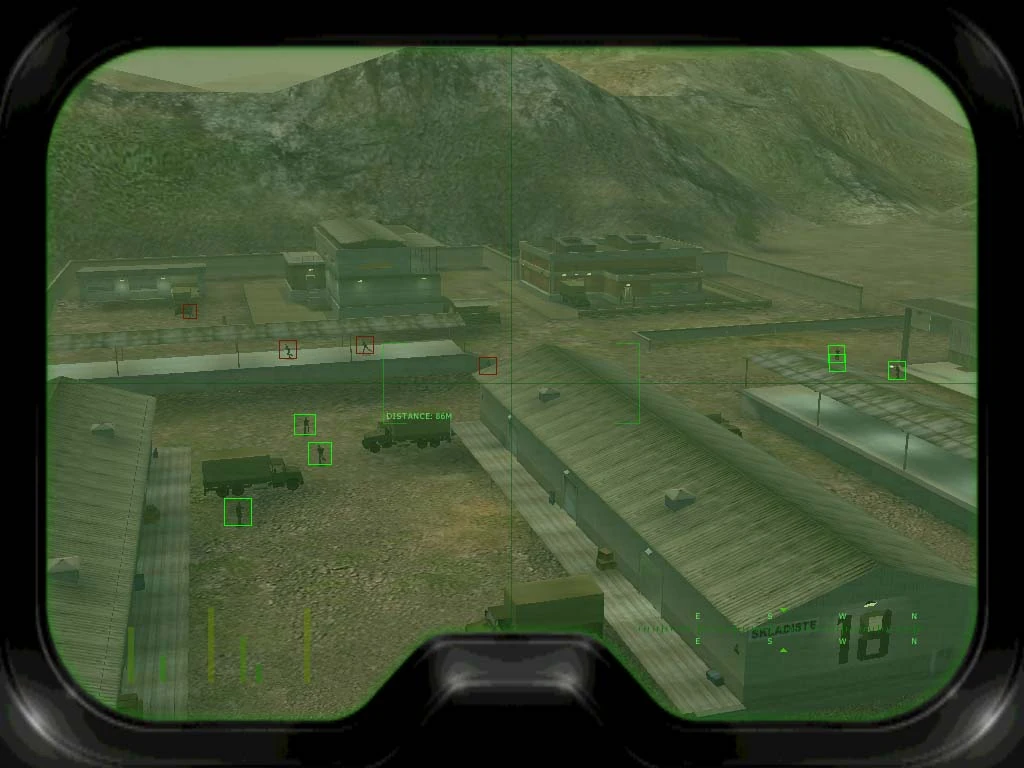
Image: Eidos Interactive, via the Project IGI Databank wiki
The reviews were not kind
Critics liked the look and the sound, and not much else. Project IGI sits at 70 out of 100 on Metacritic, with scores all over the place:
| Outlet | Score |
|---|---|
| Eurogamer | 8/10 |
| GameSpot | 7.5/10 |
| IGN | 7/10 |
| PC Gamer (US) | 49% |
| Game Informer | 3.5/10 |
The complaints were consistent. Enemy AI was poor, there was no way to save mid-mission, and there was no multiplayer at all. Losing a long mission near the end meant starting it again from the beginning, which is exactly the kind of thing reviewers hated and, as it turned out, many players remembered fondly.
It still sold. In the UK, it earned an ELSPA Silver award, meaning at least 100,000 copies, which was enough for a sequel.
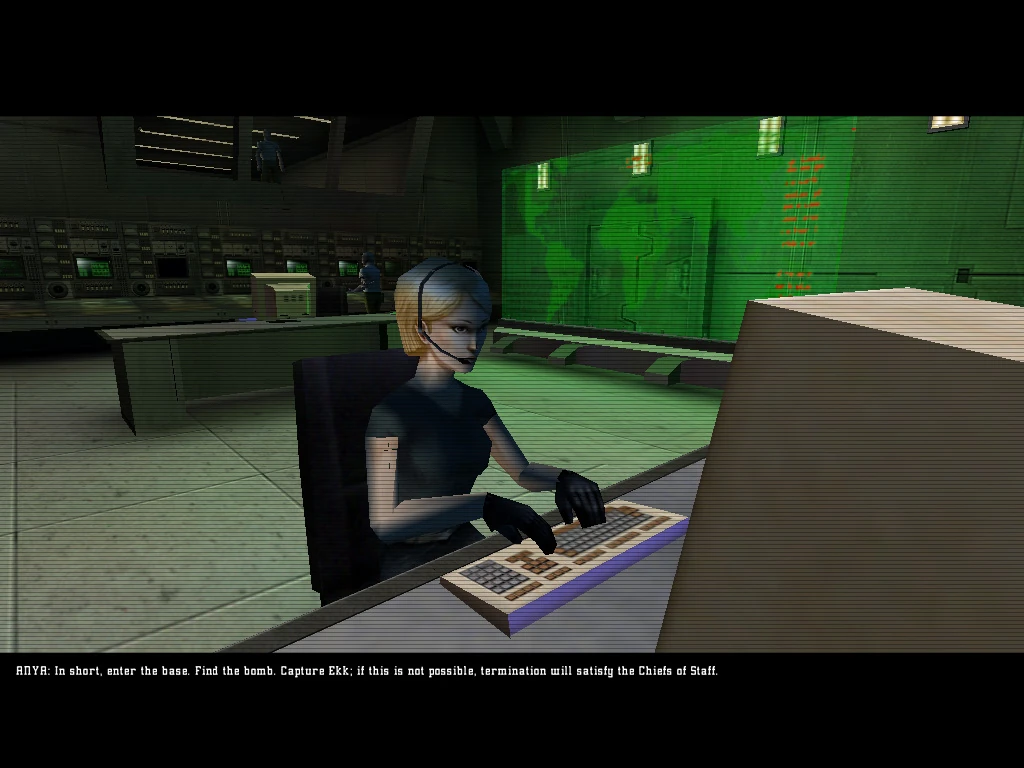
Image: Eidos Interactive, via the Project IGI Databank wiki
How IGI became famous in India
In the West, IGI faded into "decent cult game" territory. In India, it became something much bigger, and it's still one of the first PC games many Indian players name when they talk about growing up. Nobody tracked sales here, so the story comes from the players themselves, but the reasons they give are consistent:
- It ran on ordinary PCs. In the early 2000s, most Indian homes, schools and offices with a computer had a basic machine, not a gaming rig. IGI didn't need anything special, so it ran where other shooters wouldn't.
- It was easy to share. Buying original PC games was rare. IGI was small enough to copy from a friend's CD, so it spread from one computer to the next. That's also why many Indian players never owned a legitimate copy.
- It needed no internet. The first game was entirely single-player at a time when home internet was scarce and slow. Once installed, it just worked.
- Cyber cafes kept it alive. The early 2000s were the peak of the Indian cyber cafe, and players remember IGI alongside games like Counter-Strike as a cafe staple. IGI 2 later added multiplayer for up to 16 players, which suited a room full of networked PCs.
- The difficulty made it legendary. With no mid-mission saves, getting through a long mission like the castle or the plutonium plant became a playground boast, and tips for the hardest missions were passed around as freely as the game itself.
The same pattern played out in Pakistan, Bangladesh and parts of the Middle East. On paper, IGI was the right game at the right time: a modern 3D shooter that asked very little of your PC in markets where PCs were modest and internet was rare.
That's also why IGI Origins got so much attention from Indian players years later. A sequel to a game this many people grew up with was big news here, even if the rest of the world barely noticed.
IGI 2: a better game, a lower score
I.G.I.-2: Covert Strike arrived on February 21, 2003 in Europe and March 4 in North America, this time published by Codemasters. It fixed the biggest complaints from the original: there were now limited saves per mission, tied to difficulty, and an online multiplayer mode.
Former SAS soldier and author Chris Ryan consulted on it. The story ran across 19 missions, taking Jones from Russia through Libya and Egypt to the Spratly Islands, near China, to stop a rogue Chinese general from launching an EMP weapon into orbit.
That plot caused trouble. The game passed China's censors using an unfinished copy that lacked the final six levels set around China. After about six months on sale, it was banned in China for damaging the image of the Chinese army.
Reviews were also worse, at 64 on Metacritic. IGN and Eurogamer gave it 8/10, but GameSpot gave it 5.6 and Computer Gaming World just 1.5 out of 5.
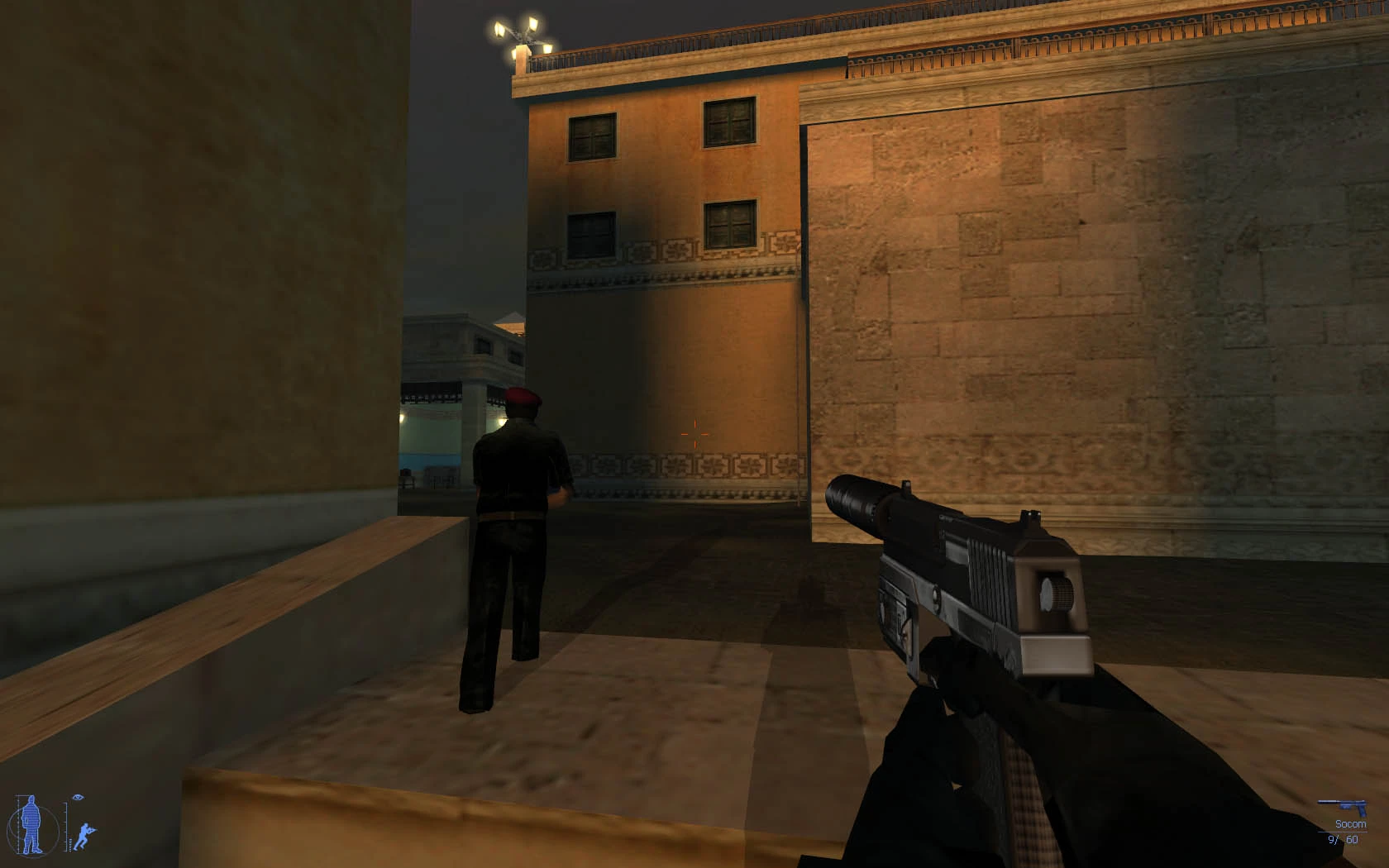
Image: Codemasters, via the Project IGI Databank wiki
The fall: Innerloop closes
Innerloop never made a third IGI. It started a turn-based strategy game called Vikingjarl, planned for 2006, but the studio closed in 2004. The IGI name ended up with Eidos, and then with Square Enix, when it bought Eidos in 2009. For years, nothing happened.
The comeback attempts
In January 2017, Norwegian studio Artplant bought the Project IGI brand from Square Enix. Artplant was founded in 2001 by former Innerloop staff, so the series was back with some of its original people. Square Enix kept the publishing rights to the first two games, so MCV reported at the time that a remaster was unlikely.
In May 2017, Artplant chief Jack Wulff confirmed a new game called "IGI – We're Going In". Then, in June 2018, Swedish developer Toadman Interactive bought Artplant for 1 million Norwegian kroner plus a later payment, and the IGI rights came with it.
IGI Origins was announced in March 2019. It was planned as a prequel set in an alternate 1980s Cold War, where you'd play an MI6 agent code-named Regent. A November 2019 trailer showed Gdańsk, Poland in 1980 and promised a 2021 release on PC, PS4 and Xbox One.
It slipped. Development moved to the UK studio Antimatter Games, which announced a move to Unreal Engine 5 in May 2022 and showed pre-alpha gameplay in September and December 2022. Fans compared it to Splinter Cell, and the reaction was mostly positive.

Image: Antimatter Games
IGI Origins falls into limbo
On May 26, 2023, the parent company, Swedish group Enad Global 7 (EG7), said it would close Antimatter Games that summer. It had tried moving the studio to work-for-hire projects, selling it, and finding an outside publisher for IGI Origins. None of it worked. Closing the studio saved EG7 about SEK 50 million a year.
In October 2023, IGI Origins director Rich Barham said he had tried to buy the brand and source code from EG7 himself, and EG7 turned him down. His view was that the game won't come out unless a new studio buys the rights.
EG7 has never formally cancelled the game. Its Steam page is still up, still listing Antimatter Games, with a release date of "To be announced". Today, it's effectively shelved.
What's left for IGI
On paper, the pieces for a comeback still exist. EG7 owns the brand and has an unfinished Unreal Engine 5 game, and the audience in South Asia hasn't gone anywhere. But there has been no real news since 2023.
If IGI ever comes back, watch for one thing first: EG7 selling the rights. Without that, IGI stays what it has been for twenty years, a game an entire generation of Indian players remembers far more fondly than its reviews ever did.