

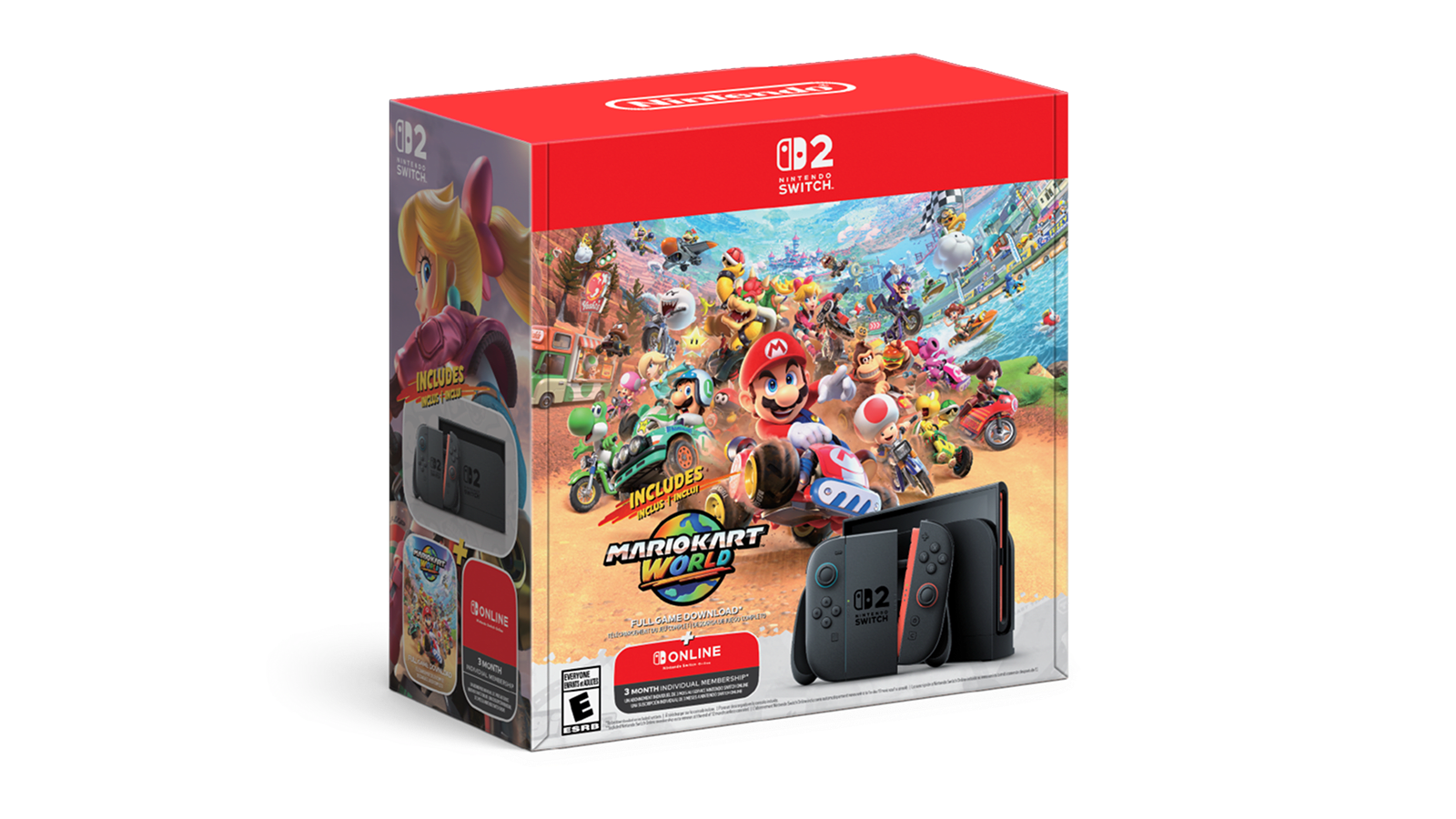
The short version
- Console makers earn little or nothing on each console. They make their money on games, digital sales, subscriptions and accessories sold afterwards.
- This is called the razor-and-blades model: sell the razor cheap, profit from the blades.
- It's why Sony's PlayStation profit rose 83% from July to September 2026 while PS5 shipments fell 35%, and why Nintendo's half-year profit rose while Switch 2 shipments dropped.
- In Sony's latest quarter, hardware brought in only about 18% of PlayStation's sales. Games brought in about 59%.
Where the name comes from
Razor companies have long sold handles cheaply, sometimes at a loss, and made their profit on replacement blades. Once you own the handle, you keep buying blades. Printers and ink cartridges work the same way.
Consoles follow the same pattern. The console is the handle. Every game, add-on, PS Plus or Nintendo Switch Online subscription and controller bought afterwards is a blade, and blades are where the margin is.
Why consoles earn so little
A console is expensive to make. It's packed with a custom chip, memory, storage, a power supply, a controller and packaging, and it has to be shipped and stocked in shops around the world. Console makers then price it to sell to as many people as possible, because every extra owner is a future game buyer.

Image: Sony Interactive Entertainment
Early in a generation, consoles are often sold at a loss. Sony sold the PS5 below cost at launch in 2020, and said in 2021 that the standard model had stopped losing money. Over the years, chips get cheaper to make and the loss usually turns into a small profit.
This year that pattern broke. Memory prices shot up because of demand from AI servers, so consoles got more expensive to build in their later years instead of cheaper. Nintendo and Valve both raised console prices in 2026, PS5 prices went up too, and the Switch 2 rose $50 to $499.99 in the US.
Where the money really comes from
Sony's latest results show the split clearly.
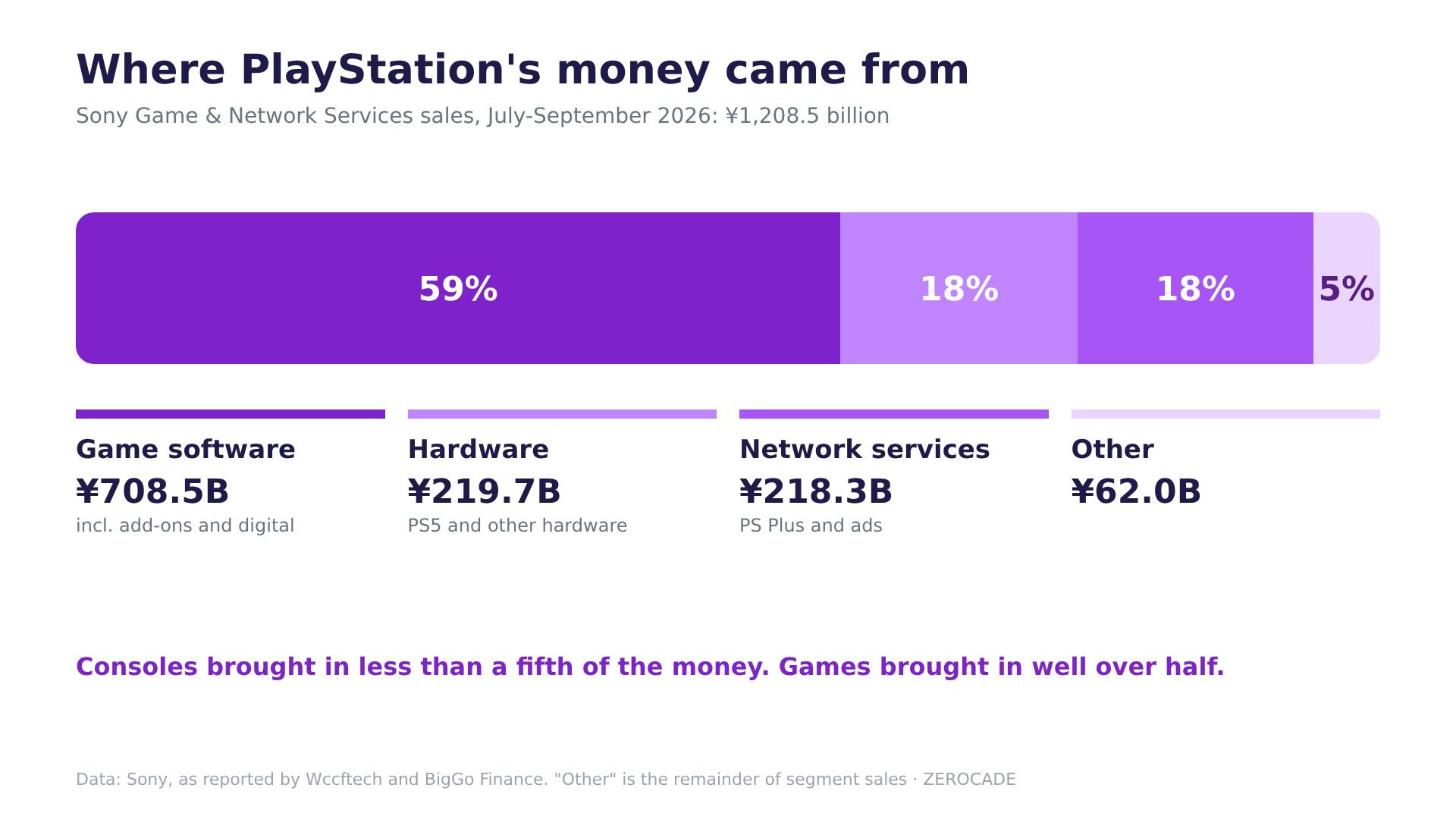
Image: Zerocade
Each kind of "blade" earns money in a different way.
Games from other publishers. Sony, Microsoft and Nintendo take a cut of every game sold on their platforms, usually around 30% of the price of a digital game. When GTA 6 sells for ₹5,999 on the PlayStation Store, Sony keeps a share without making the game. That's why platform holders love huge third-party launches.
Their own games. First-party games like Marvel's Wolverine or Mario Kart World earn the full price after the store's costs. Sony sold 8.2 million of its own games from July to September, up 30%.
Digital sales. A digital copy has no disc, case, shipping or shop margin, so it earns far more than a boxed copy at the same price. 78% of PlayStation's full-game sales are now digital. Nintendo's digital sales rose 60.5% in its first half.
Subscriptions. PS Plus, Game Pass and Nintendo Switch Online bring in steady monthly money. Sony's network services revenue rose 19.5% to ¥218.3 billion in the quarter.
Accessories. Controllers, headsets and covers usually carry far better margins than the console. Sony's new see-through DualSense controllers start at $84.99.
Why fewer consoles can mean more profit
Put that together and the results make sense. Later in a generation, fewer new consoles are sold, but there are tens of millions of players already buying games. Sony has shipped 97.9 million PS5s, and 127 million people used PlayStation each month in the quarter. Nintendo has shipped 26.35 million Switch 2s, and its games sold 24.49 million copies in six months.
The company spends less on making and shipping hardware, while the money from software keeps flowing. Profit goes up even as console shipments fall. Our explainer on the console cycle shows how this changes over a generation.
There's a catch. Without new players joining, software sales eventually slow too. That's why Sony is already investing in its next console, and why Nintendo still needs the Switch 2 to keep selling.
What it means for you
The model shapes the prices you pay. Consoles are kept as affordable as possible, while games, subscriptions and add-ons are where companies look for growth. That's also why digital sales get so much attention, and why prices for games and subscriptions tend to rise over a generation.
For a full breakdown of this week's numbers, see our posts on Sony's results and Nintendo's results.