
The short version
- Apple announced the MacBook Pro with PROLED XDR Display on October 28: the first Mac with an OLED screen and the first with a touch screen.
- It comes in 14.2-inch and 16.3-inch sizes, with a Dynamic Island, up to 2,000 nits of brightness and a lighter body.
- It uses the M5 Pro and M5 Max chips from March, not the new M6. Prices start at ₹3,49,900 ($2,899) for the 14-inch.
- Pre-orders are open now. US deliveries start November 6. Apple India lists availability from November 9.
The screen is the whole story
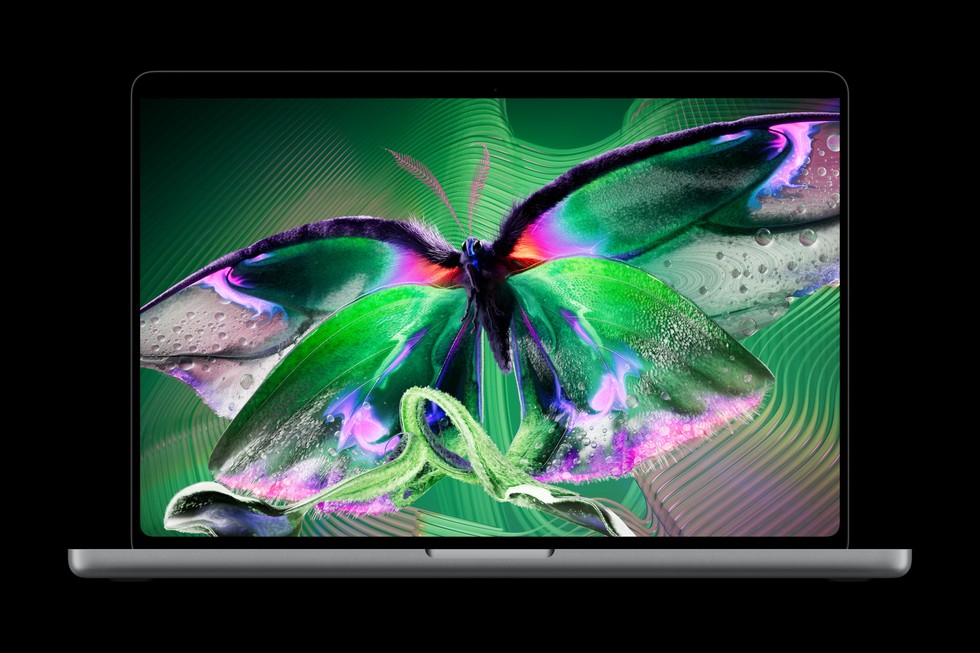
Apple calls the panel PROLED XDR. It's a tandem OLED: two layers of self-lit pixels stacked on top of each other, so the screen can get brighter and last longer than a single-layer OLED. Apple has used the same idea in the iPad Pro since 2024.
Here's what Apple claims for it:
- Up to 2,000 nits peak brightness in HDR and SDR, and up to 1,000 nits sustained across the full screen
- A 10,000,000:1 contrast ratio, because each pixel can switch off completely for true black
- P3 and Adobe RGB colour coverage, plus more than 80% of Rec. 2020
- ProMotion from 10Hz to 120Hz
- An optional nano-texture finish, now etched into the cover glass, to cut reflections
Apple hasn't published the resolution. Hardware chief Johny Srouji called it "the world's best laptop display", which is the kind of claim reviews will have to test.
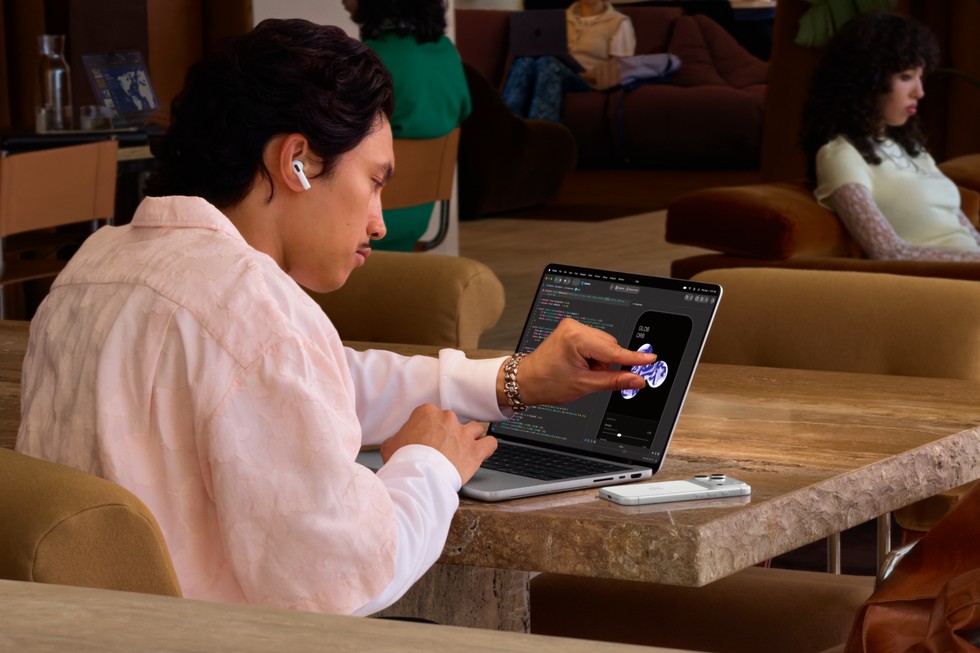 Image: Apple
How touch works on a Mac
For years Apple said touch screens didn't belong on laptops. This model reverses that, and the details matter.
The touch sensor is built into the display panel instead of sitting in a layer on top, which keeps the screen thin. macOS translates a tap into a click, so most existing apps respond to touch straight away. Tom's Hardware lists Notion, Canva, Zoom, Word, Excel, PowerPoint, Lightroom, DaVinci Resolve and Blender among them. Apple's own apps are already tuned for it, and developers get new gesture tools to go further.
Apple also redesigned the hinge so the screen wobbles less when you prod it. The keyboard and trackpad stay exactly where they were: touch is an extra, not a replacement.
Two things are missing so far. Apple hasn't said anything about Apple Pencil support, and it hasn't shown how much of macOS has been reworked for fingers. On paper, touch here looks like a convenience for scrolling, zooming and annotating rather than a tablet mode.
The Dynamic Island comes to the Mac
The notch is gone. In its place is a Dynamic Island around the 12MP camera, the same pill-shaped area iPhones use. On the Mac it becomes the home for Spotlight, Live Activities, music controls and Siri.
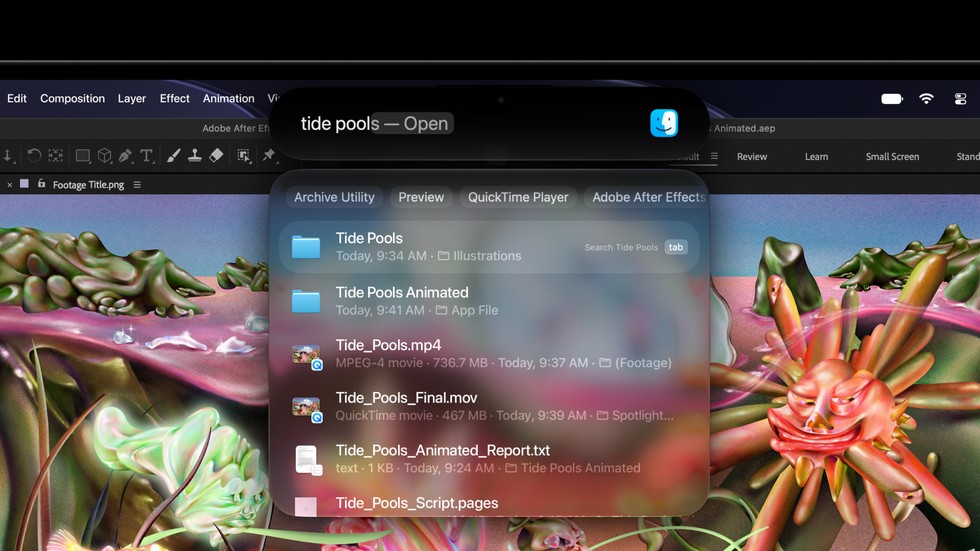 Image: Apple
Chips: last generation, on purpose or not
The surprise is inside. A day after Apple put its new 2nm M6 chip into the entry 14-inch MacBook Pro and iMac, the OLED models launched with the M5 Pro and M5 Max from March. Apple hasn't announced an M6 Pro or M6 Max yet, which fits earlier reports that those chips aren't coming soon.
| M5 Pro | M5 Max | |
|---|---|---|
| CPU | Up to 18 cores | Up to 18 cores |
| GPU | Up to 20 cores | Up to 40 cores |
| Unified memory | Up to 64GB | Up to 128GB |
| Base storage | 1TB | 2TB |
| External displays | Up to 3 | Up to 4 |
Storage goes up to 16TB, and Apple says the SSD is up to twice as fast as before. Battery life is rated at up to 24 hours.
Thinner, lighter, same ports
The 14-inch weighs 1.38 kg, down from 1.60 kg for the mini-LED model. The 16-inch is 1.82 kg, about 0.3 kg lighter than before. Apple says the 16-inch is nearly a millimetre thinner and the 14-inch half a millimetre thinner.
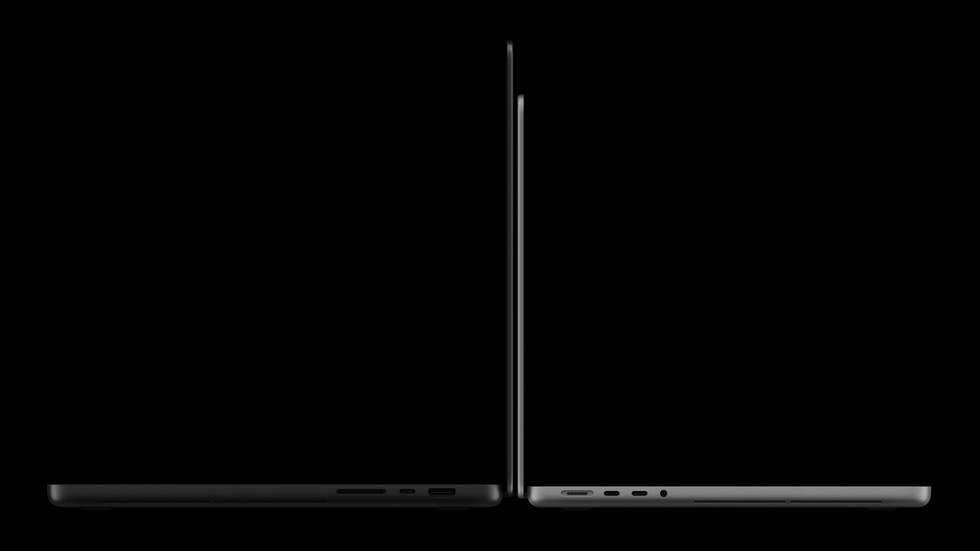 Image: Apple
The ports haven't changed: three Thunderbolt 5, HDMI, an SDXC card slot, MagSafe 3 and a headphone jack. It charges to 50% in 30 minutes. Inside there's Wi-Fi 7 and Bluetooth 6 on Apple's own N1 chip, six speakers with what Apple says is 50% deeper bass, and three microphones. Colours are Space Black and Silver.
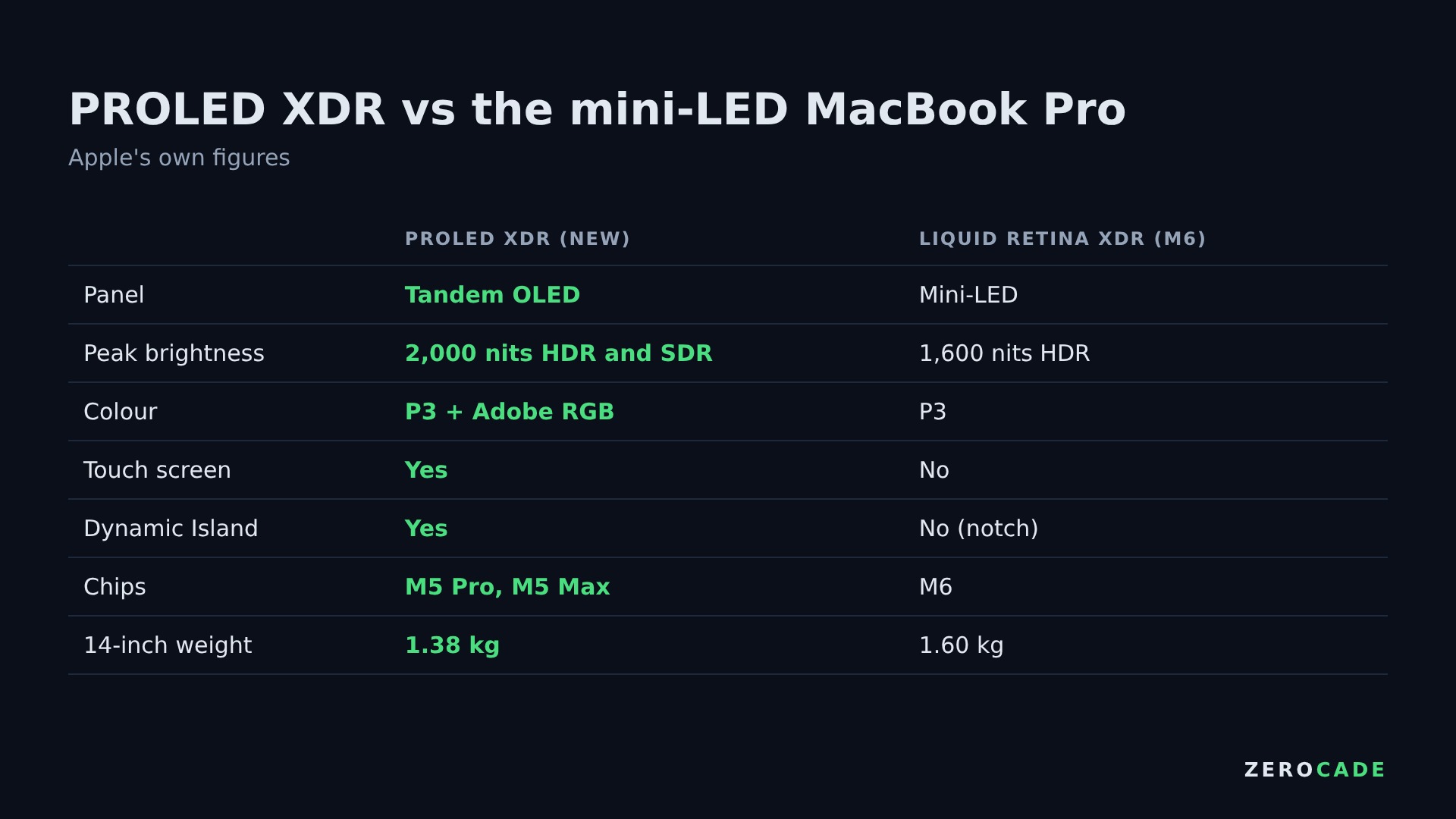 Image: Zerocade
Prices in India and the US
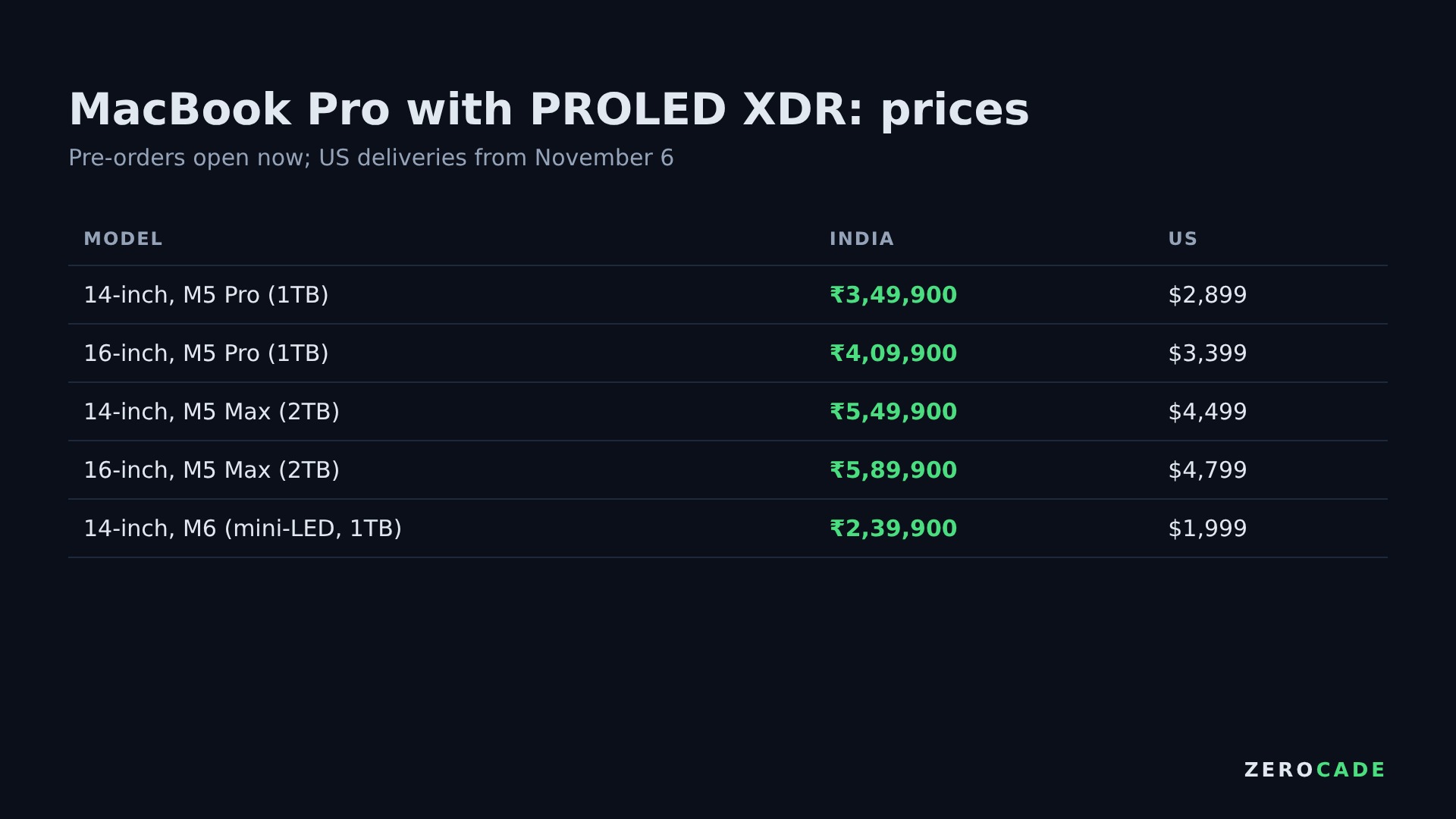 Image: Zerocade
The 14-inch OLED model costs ₹1,10,000 more than the M6 MacBook Pro in India, and $900 more in the US. Education pricing in India starts at ₹3,31,900 for the 14-inch and ₹3,85,900 for the 16-inch. Apple India is offering up to ₹15,000 instant cashback on eligible cards, plus no-cost EMI.
Who it's for
On paper, this is a laptop for people who care most about the screen: photo and video editors, colourists and anyone who works in HDR. Adobe RGB coverage and 2,000-nit SDR brightness are real upgrades for that work.
For everyone else, the maths is harder. The ₹2,39,900 M6 model has a newer chip and the same 24-hour battery claim, for a lot less money. If you were waiting for M6 Pro or M6 Max power, this isn't it.
Deliveries start November 6 in the US, with Apple India listing November 9. Watch for the first reviews of the panel's brightness, battery life with OLED, and how well touch actually works in everyday macOS apps.